Hunting Camo Shirt Guide: How to Choose the Right Camo Pattern for Every Hunt
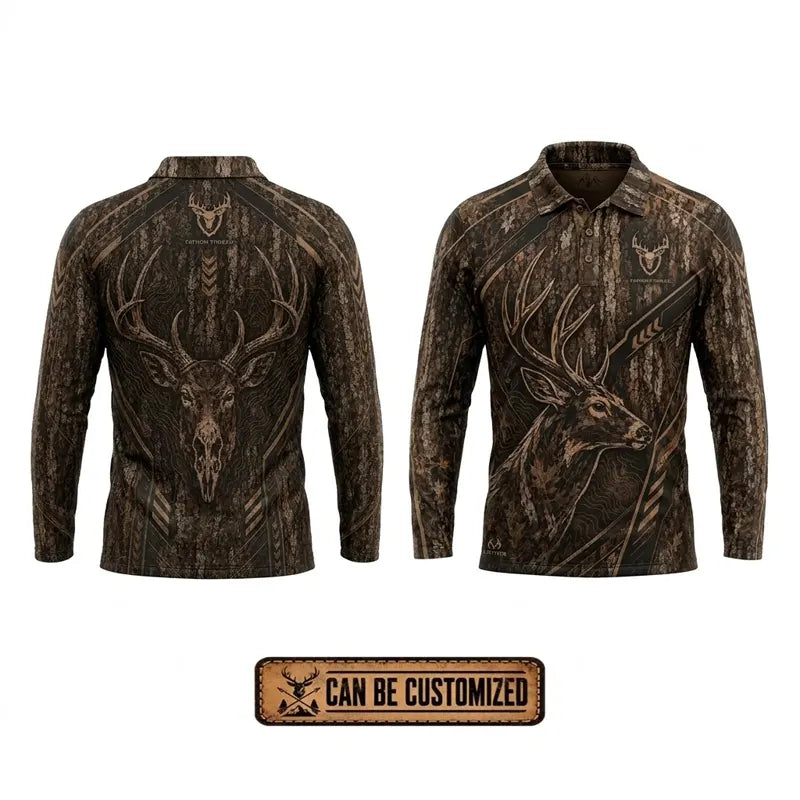
Your hunting camo shirt is the most visible piece of your upper-body kit in the field. Get the pattern right and you blend into the environment. Get it wrong and you stick out like a neon sign - no matter how still you sit. Choosing the right camo isn't about looking cool (though that helps). It's about matching pattern density, color palette, and contrast level to the specific terrain and season you're hunting.
Here's how to pick a hunting camo shirt that actually works where you hunt.
Camo Pattern Basics: What Makes Camo Work
Camo works by disrupting the human outline. The eye of a deer, turkey, or hog picks up on shapes, movement, and contrast - not color the way humans see it. A good camo pattern breaks up your silhouette by combining irregular shapes at multiple scales: large blocks that match the background, medium shapes that mimic foliage, and small details that create visual noise at close range.
The key factors when choosing a hunting camo shirt:
- Pattern scale: Large, open patterns work in big timber. Smaller, denser patterns work in brush and thick cover.
- Color palette: Match the dominant colors of your hunting environment - greens and browns for hardwoods, tans and grays for open plains, whites and grays for snow.
- Contrast level: High-contrast camo works in dappled light (mixed sun and shade). Low-contrast camo works in flat light (overcast days, early morning, late evening).
Camo Patterns by Hunting Environment
Hardwood Forest: Mossy Oak–Style Patterns
If you hunt whitetail in the eastern or midwestern US, your environment is dominated by tree bark, fallen leaves, and mixed green-brown foliage. Camo patterns that mimic tree bark textures and leaf litter work best here. Look for hunting camo shirts with a mix of vertical elements (tree trunks) and organic shapes (leaves, moss).
Best for: Deer hunting, turkey hunting, bear hunting in hardwood forests.
Open Terrain and Grassland: Realtree AP–Style or Prairie Patterns
For hog hunting in Texas, pronghorn hunting in the west, or any open-terrain hunt, you need a camo pattern with more tan, brown, and gray tones. Dense leafy patterns look out of place in open grassland and can actually make you more visible, not less.
Best for: Hog hunting, pronghorn, elk in open country, dove hunting.
Snow and Late Season: Snow Camo
When the ground is white, any non-white pattern stands out. Snow camo - mostly white with gray and brown speckle - is essential for late-season deer, winter predator hunting, and ice fishing crossover.
Best for: Late-season deer, coyote hunting, winter turkey.
Marsh and Wetland: Waterfowl Camo
Waterfowl camo patterns mimic cattails, reeds, and open water. They tend to be taller, more vertical, and have more contrast than woodland camo - because the marsh environment is full of vertical lines and dark-water contrast.
Best for: Duck hunting, goose hunting, marsh hog hunts.
Camo Shirt Material Matters as Much as Pattern
The best camo pattern in the world won't help if the shirt material is loud, uncomfortable, or inappropriate for the temperature.
Warm weather: Lightweight, moisture-wicking fabric in a camo print. Look for shirts with UPF protection since you'll be in the sun. A hunting camo shirt in a breathable polyester blend keeps you cool and dry during warm-weather hog hunts or early-season scouting.
Cold weather: Heavier fleece or blended fabric. Quiet material is critical - avoid stiff nylon that rustles when you move. Soft, brushed fabric moves silently in the stand.
All-season: A midweight camo shirt that layers well under a shell jacket and over a base layer. This is the most versatile option if you only want one camo shirt.
Matching Camo Shirt to the Rest of Your Outfit
Your camo shirt doesn't need to match your pants exactly - in fact, slightly mismatched camo can look more natural in the field. But avoid mixing high-contrast patterns with low-contrast ones, as the clash can draw the eye. Keep your camo family consistent: woodland with woodland, grassland with grassland.
Pair your camo shirt with a hunting trucker hat in a complementary color and a neck gaiter that matches or coordinates with your camo pattern for a complete, field-ready setup.
How Many Camo Shirts Do You Need?
Realistically, most hunters need two camo shirts: one for warm weather (lightweight, breathable) and one for cold weather (heavier, quiet fabric). If you hunt across multiple seasons and terrains, a third shirt in a different pattern makes sense - but start with one solid woodland or terrain-specific camo and build from there.
FAQ
What's the best camo pattern for deer hunting?
Mossy oak or similar bark-and-leaf patterns work best in hardwood forests where most whitetail hunting happens. Match your pattern to your specific terrain.
Does camo pattern really matter for hunting?
Yes. The right camo pattern breaks up your outline in the specific environment you're hunting. The wrong pattern can make you more visible than solid colors.
Can I wear a hunting camo shirt casually?
Absolutely. Camo shirts are popular everyday wear. A well-designed hunting camo shirt works in the field and looks great around town.