What to Wear Bird Watching : 9 Layering Tips for Every Season
So you have decided to try birding - or maybe you have been doing it for years and want to look a little more put-together while out in the field. Either way, the question of what to wear bird watching comes up more often than you would think. Birding means early mornings, variable weather, lots of walking, and standing still for long periods. Your outfit needs to handle all of that while keeping you comfortable.
This guide covers 9 layering strategies, plus how to choose the right bird hoodie and bird apparel for every season - so you can focus on the birds, not your wardrobe.

Why Layering Matters for Birding
Birding often starts before sunrise and lasts well into the afternoon. Temperatures can swing 20-30°F in a single outing. Layering lets you adjust on the trail without carrying a bulky backpack.
The 3-layer system:
- Base layer - Wicks moisture away from skin (merino wool or synthetic)
- Mid layer - Insulates and traps heat (fleece, down vest, or a bird hoodie)
- Outer layer - Blocks wind and rain (lightweight shell or windbreaker)
9 Layering Tips for Every Birding Season
Spring (40-60°F)
1. Start with a moisture-wicking base. Spring mornings are damp. A synthetic or merino base keeps you dry during those pre-dawn stakeouts.
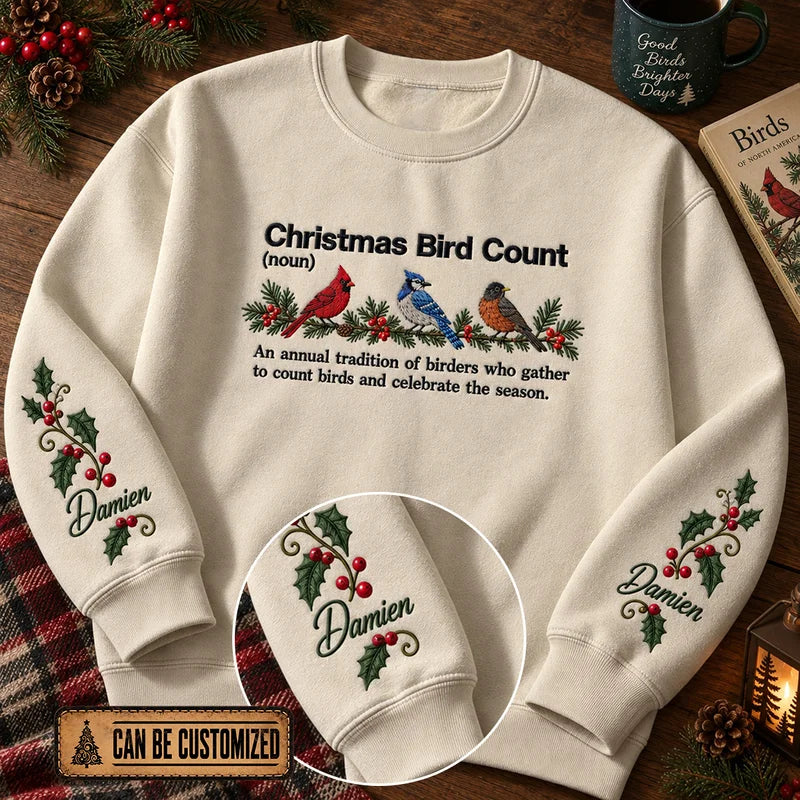
2. Add a lightweight bird hoodie. A bird-themed hoodie in fleece or cotton blend works as your mid layer. Look for muted colors - olive, navy, charcoal - that blend into natural surroundings.
3. Carry a packable rain shell. Spring showers are unpredictable. A shell that stuffs into its own pocket adds almost zero weight.

Summer (65-90°F)
4. Go with a single performance layer. A lightweight bird apparel tee with UPF protection handles sun and sweat. Avoid cotton - it stays wet.
5. Wear a wide-brim hat or bird bucket hat. Protects face and neck from sun while keeping glare out of your binoculars.

Fall (45-65°F)
6. Layer a bird hoodie under a windbreaker. Fall is peak migration season - you will be out longer and standing stiller. The hoodie traps warmth; the windbreaker cuts the breeze.
7. Add a neck gaiter. Keeps your neck warm and can be pulled up over your face in cold wind. Choose a solid color that matches your bird apparel palette.

Winter (20-45°F)
8. Double up on base + mid layers. Thermal base layer + insulated bird hoodie + puffy vest. Your legs need insulation too - lined pants or thermal leggings under outer pants.
9. Invest in insulated, waterproof boots. Cold, wet feet end a birding trip fast. Pair with merino wool socks for maximum warmth.
Choosing the Right Bird Hoodie
A good bird hoodie should balance warmth, comfort, and subtlety. Key features to look for:
| Feature | Why It Matters |
|---|---|
| Muted colors | Bright colors startle birds; stick to earth tones |
| Soft, quiet fabric | Rustling synthetic fabrics can spook nearby birds |
| Deep hood | Blocks peripheral light and keeps rain off your face |
| Kangaroo pocket | Keeps hands warm and stores small accessories |
| Embroidered design | Adds personality without the noise of printed graphics that crack |

Bird Apparel: Beyond the Hoodie
Your birding wardrobe does not stop at a hoodie. Here is how to build a complete bird apparel collection:
- Shirts - Embroidered tees and polos for warmer days; long-sleeve button-downs for sun protection
- Hats - Bucket hats, caps, and visors with bird or nature motifs
- Accessories - Neck gaiters, gloves, and socks that match your bird apparel theme
- Outerwear - Windbreakers and soft shells in nature-inspired colors
For verified bird-themed apparel, browse the Fathom Thread collection - embroidered designs featuring songbirds, birds of prey, and national park wildlife.
Color Choices: What to Wear (and What to Avoid)
Wear: Olive green, navy, charcoal, brown, tan, forest green - these blend into natural environments and do not startle birds.
Avoid: Bright red, neon yellow, white (especially in dense cover), and reflective fabrics. These alert birds to your presence from far away.
FAQ: Common Questions About Birding Outfits
Can I wear jeans birding? Yes, but denim is heavy and slow to dry. Performance pants or hiking pants are more comfortable for long outings.
Do I need camouflage? Not necessarily. Muted, solid colors work just as well for most birding. Camo helps in very open habitats but is not required.
What about scent? Avoid strong perfumes, colognes, or scented lotions. Birds have keen senses and artificial scents can alert them to your presence.
Final Thoughts
Knowing what to wear bird watching comes down to layering smart, choosing muted colors, and investing in quality bird apparel that lasts. A good bird hoodie is the cornerstone - pair it with the right base layer, outer shell, and accessories, and you will be comfortable in any season.
Ready to build your birding wardrobe? Check out Fathom Thread's embroidered bird apparel for designs that celebrate the species you will encounter in the field.