Best Time to Hunt Deer: When, Where & How Many Hours You Actually Need
If you've ever sat in a treestand for six hours, seen nothing, and wondered whether you picked the wrong day - you're not alone. Picking the best time to hunt deer isn't a guessing game. It's a combination of understanding deer behavior, seasonal patterns, weather, and the rules of the land you're hunting on.
This guide breaks down everything you need to know: the best hours of deer hunting, the peak months of deer hunting season, how weather moves deer, where you can legally hunt, and - honestly - how many hours you really need before you're likely to put meat on the wall. For the biology behind why deer behave this way in the first place, our whitetail deer scientific & habitat guide covers the rut, senses, and predator pressure in more depth.
Whether you're chasing a trophy buck or just filling a tag, timing is everything. Let's get into it.
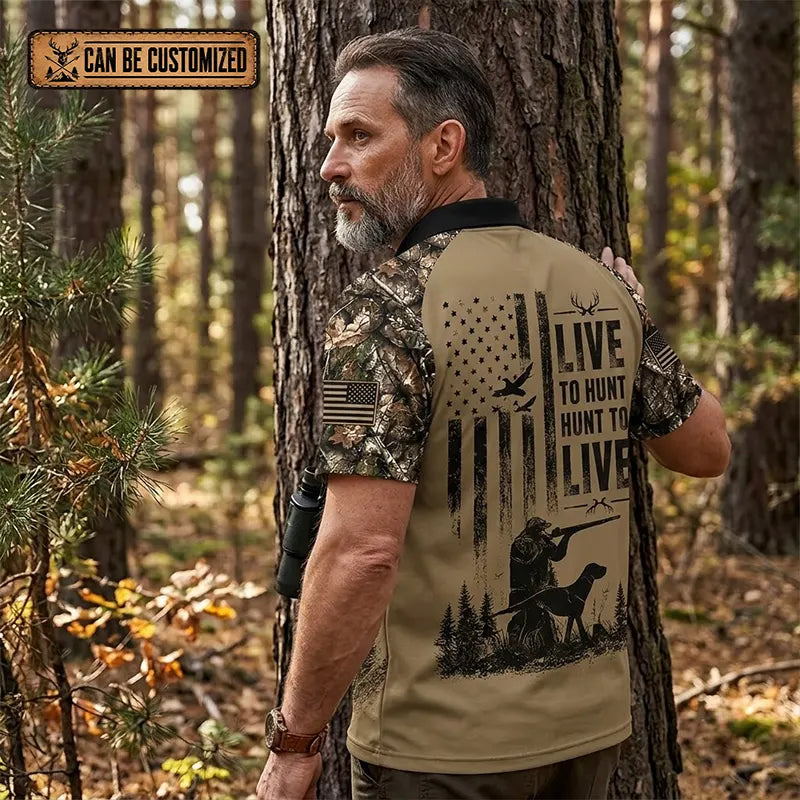
And if you're looking for gear that actually looks good on and off the trail, check out our hunting shirt collection - built for hunters, not billboards.

The Best Time of Day to Hunt Deer
Deer don't follow your schedule. They follow light, temperature, and instinct. If you want to fill your tag, you need to know when they're moving - and why.
Why Dawn and Dusk Are Prime Time
Deer are crepuscular animals, meaning they're most active during low-light conditions at dawn and dusk. This isn't a preference - it's survival. Predators rely heavily on sight, and the dim light gives deer a natural advantage.
During these windows, deer emerge from bedding areas to feed. They move along established trails from thick cover to food sources like crop fields, mast-producing oak stands, or food plots. If you can intercept that movement, you're in the game.
The hours of deer hunting that consistently produce the most sightings are:
- Last 90 minutes before sunset - deer begin moving toward food sources
- First 90 minutes after sunrise - deer return from overnight feeding to bedding areas
- Full dark transitions - the actual moment of light change triggers movement
The 2-Hour Rule: First Light & Last Light
Many experienced hunters live by a simple rule: be in your stand two hours before last light, and stay put for two hours after first light. Here's why it works:
- Pre-dark movement - Deer often start moving 30–60 minutes before actual sunset. If you're still hiking to your stand at that point, you've already blown it.
- Morning wind advantage - Morning thermal currents typically pull air downhill, carrying your scent away from deer bedding zones above you.
- Minimal pressure - Most casual hunters aren't in the woods at 5:30 AM. Less human activity means more comfortable deer.
The best deer hunting times almost always fall within these two windows. Plan your sits around them, not the other way around.
Midday Hunts - When They Work
Midday gets a bad rap, and sometimes it deserves it. But there are situations where a midday sit can outproduce morning or evening:
- During the rut - Bucks cruise all day looking for does. Sitting a scrape line or between known doe bedding and staging areas can pay off between 10 AM and 2 PM.
- Heavy hunting pressure areas - When morning and evening pressure is high, deer shift movement to midday when most hunters have gone home.
- Cold fronts - A sharp temperature drop can trigger feeding activity throughout the day.
- Rain - Light to moderate rain suppresses human activity and noise, and deer will often move during or right after a rainstorm.
Don't write off midday entirely - especially during the rut, when bucks aren't watching the clock.

Best Time of Year to Hunt Deer
Deer behavior shifts dramatically through the year. Understanding these phases is the difference between watching a field of nothing and connecting with a mature buck.
Early Season (Archery): September
Early season archery opens in most states during September. Deer patterns are still relatively predictable at this point. They haven't been pressured by gun season yet, and they're following summer food sources - green fields, orchards, and early acorn drops.
What to expect:
- Deer are grouped in bachelor pods (bucks) or doe/fawn groups
- Patterns are consistent - food sources are still summer-oriented
- Temperatures are warm, so deer movement is more restricted to early morning and late evening
- Scouting should focus on food rather than rubs or scrapes
Early season is a patience game, but the deer are patternable. Sit over food in the evening, and you'll often see groups moving in together.
Pre-Rut & Rut: October–November (Peak Activity)
This is when it happens. The pre-rut and rut are universally considered the best deer hunting times of the entire year. Here's the breakdown:
| Phase | Timing | What's Happening |
|---|---|---|
| Pre-Rut | Late September – mid-October | Bucks begin checking scrapes, testing does, and establishing dominance. Daytime movement increases. |
| Chase Phase | Mid–late October | Bucks actively pursue does. Movement is erratic but frequent - any time of day becomes fair game. |
| Peak Rut | Early–mid November (varies by region) | The 7–10 day window when most does are bred. Bucks are exhausted, desperate, and moving constantly. |
| Post-Rut | Late November | Bucks recover and resume feeding. Movement slows but remains above early-season levels. |
If you can only hunt one week of the year, make it peak rut. Bucks will break their own rules during this period - they'll cross open fields at noon, follow does into areas they normally avoid, and generally become less cautious.
Looking for the right look for rut season? Our deer-themed hunting shirts are designed for the field and the tailgate - same energy, different setting.

Built For The Hunt Deer Skull T-Shirt - rugged design for hunters who take pride in the lifestyle. Shop the Deer Skull T-Shirt →
Late Season: December–January
Late season hunting is a different animal - literally and figuratively. Post-rut, bucks are beat up, cold, and hungry. Food becomes the dominant factor again, but this time it's high-calorie winter food sources: standing crops, winter food plots, and remaining mast.
What changes in late season:
- Colder temperatures mean deer may move earlier in the afternoon to feed before nightfall
- Bucks that survived the rut are often solitary and more cautious
- Does group up in winter yards, creating predictable funnel patterns
- Pressure from earlier seasons has educated surviving deer
Late season rewards hunters who are willing to sit in brutal conditions. When it's 15°F and snowing, most people stay home. That's exactly when a big buck might step out.
Best Days & Weather Conditions
Not all days during deer season are created equal. Weather and celestial conditions can make or break a hunt.
Moon Phase & Barometric Pressure
Hunters have debated moon phases for decades. Most of that debate actually traces back to one specific framework: solunar theory, developed by John Alden Knight in the 1920s and still the basis for the solunar calendars and apps hunters check today. The theory breaks each day into two types of activity windows:
- Major periods (about 2 hours): Occur when the moon is directly overhead or directly underfoot at your location. These are the predicted peak feeding windows.
- Minor periods (about 1 hour): Occur around moonrise and moonset. Shorter, secondary windows of activity.
Here's what the data and experience suggest beyond the basic framework:
- Major feeding periods tend to occur when the moon is directly overhead or underfoot (solunar tables)
- New moon periods often correlate with increased daytime deer movement - deer feel safer in darker nights and shift feeding earlier
- Full moon can push feeding activity to nighttime, reducing daylight sightings
- Rising barometric pressure (approaching weather front) often triggers increased feeding before the front arrives
- Stable pressure in the 29.80–30.30 range is generally considered ideal for deer activity
A major or minor period on its own won't put a deer in your lane. But the days worth circling on the calendar are the ones where a major period lines up close to sunrise or sunset - that's when the solunar prediction and the deer's natural crepuscular schedule reinforce each other instead of fighting it. Most free solunar calendars and hunting apps will show you this alignment for your specific zip code, which is more useful than the generic moon phase alone.
Temperature, Wind, and Rain Effects
Weather is the single biggest daily variable in deer movement. Here's the practical breakdown:
| Condition | Effect on Deer | Hunting Recommendation |
|---|---|---|
| Cold front arrival | Spikes feeding activity; deer bulk up before the cold | Hunt the day the front moves in and the day after |
| Extreme cold (below 20°F) | Deer may bed earlier and conserve energy | Sit near high-calorie food sources in late afternoon |
| Wind over 15 mph | Disrupts scent; deer become less predictable | Use wind to your advantage or hunt tight cover funnels |
| Light rain | Deer often continue moving; sound is dampened | Excellent hunting conditions if you're dressed right |
| Heavy rain / storms | Deer bed and wait it out | Stay home - or hunt the 30 minutes after it stops |
| Warm days (above 60°F) | Reduced daytime movement; deer stay bedded | Focus on evening sits over food sources |
The best time to hunt deer on any given day is when the weather pushes them to move and pulls other hunters off the land. A cold, drizzly Tuesday in November? That's your window.
For gear that handles those wet, cold sits, our deer skull camo hoodie keeps you warm without sacrificing stealth. Built for the conditions that produce results.

Built For The Hunt Deer Skull Camo Hoodie - warmth, camo pattern, and style in one layer. Shop the Camo Hoodie →
Can You Hunt in National Parks?
This is one of the most searched questions by new hunters, and the answer is more nuanced than a simple yes or no.
Where Hunting IS Allowed (National Forests, Wildlife Management Areas)
Hunting is legal in many publicly managed lands - just not the ones people assume. Here's the breakdown:
- National Forests - Hunting is generally permitted in U.S. National Forests unless specifically prohibited. Over 193 million acres of National Forest land across 44 states are open to hunting, subject to state regulations.
- Wildlife Management Areas (WMAs) - Each state operates WMAs specifically for wildlife management, which includes regulated hunting. These are often the best public-land opportunities available.
- Bureau of Land Management (BLM) land - Open to hunting in most western states, following state wildlife agency rules.
- State trust lands - Varies by state, but many allow hunting with proper permits.
The key: National Forests are managed by the U.S. Forest Service and default to allowing hunting. National Parks are managed by the National Park Service and default to prohibiting it. Different agencies, completely different rules.
Where It's Banned (National Parks, Most Preserves)
Hunting is prohibited in National Parks. This includes iconic parks like Yellowstone, Great Smoky Mountains, Yosemite, and Grand Canyon. The National Park Service Organic Act of 1916 prioritizes conservation and recreation - not hunting.
Some exceptions exist where hunting was a pre-existing right (like certain areas in Yellowstone for subsistence), but these are rare and heavily regulated. Don't assume - always verify with the specific park authority.
Other areas where hunting is typically banned:
- National Parks and National Monuments
- National Wildlife Refuges (with limited, specific exceptions)
- Most state parks (varies significantly by state)
- National Heritage Areas
- Urban and county parks
How to Find Legal Hunting Land Near You
If you're not sure where you can legally hunt, start here:
- Check your state's wildlife agency website - Every state publishes maps and regulations for public hunting land
- Use the USGS Protected Areas Database - Interactive maps show land ownership and hunting regulations
- Contact your local Forest Service office - They can tell you which National Forest units allow hunting and any special restrictions
- Try onX Hunt or HuntStand - GPS apps that show public/private land boundaries, topography, and hunting pressure data
- Talk to your county extension office - Local knowledge about land access and hunter pressure is invaluable
Always verify before you hunt. Regulations change, and ignorance isn't a legal defense.

How Many Hours of Deer Hunting Do You Need?
"How many hours of deer hunting does it take?" It's the question every new hunter asks and every veteran hunter avoids answering - because it depends on everything.
Time Invested vs. Harvest Success
Let's look at some rough benchmarks based on hunting data and survey responses:
| Experience Level | Average Hours per Season | Typical Success Rate |
|---|---|---|
| New hunter (Year 1–2) | 40–80 hours | 20–35% |
| Intermediate hunter (Year 3–5) | 80–150 hours | 40–60% |
| Experienced hunter (5+ years) | 100–200+ hours | 60–80% |
These numbers vary enormously by region, deer density, weapon type, and whether you're hunting public or private land. But the pattern is clear: more time in the woods generally means more success - up to a point. Smart time matters more than raw hours.
Five hours during the rut on a cold front day will outproduce fifty hours in September sitting an empty food plot. Quality beats quantity.
Maximizing Limited Hunting Hours
Most hunters don't have unlimited time. Here's how to make every hour count:
- Scout relentlessly in the off-season - Trail cameras, topography analysis, and food source mapping save hundreds of wasted hours during the season
- Hunt transitions, not destinations - Pinch points between bedding and feeding areas concentrate movement
- Adapt your stand location weekly - Deer change patterns as food sources shift and hunting pressure builds
- Use morning hunts for pressure-free sits - Morning thermals and lower hunter density make early hours more productive
- Don't chase mature bucks during peak pressure - Sometimes the smartest play is to hunt a less-pressed area and target a younger animal
If you're working with limited hours, pick your spots carefully. One well-placed evening sit on a known trail during the first week of November is worth more than a full weekend in the wrong place.

Best Places to Hunt Deer - Public vs. Private Land
Where you hunt matters as much as when. The public versus private land debate is one of the oldest in hunting, and both sides have merit.
Public land advantages:
- Free or low-cost access
- Large tracts of land with diverse habitat
- No need for landowner permission
- Opportunity for adventure and discovery
Public land challenges:
- Higher hunting pressure, especially opening weekends
- Mature bucks may be scarce in heavily hunted areas
- Competition for the best stand locations
- Less predictability in deer patterns
Private land advantages:
- Control over hunting pressure and access
- Ability to manage habitat (food plots, timber cuts)
- More predictable deer patterns
- Higher potential for mature animals
Private land challenges:
- Access requires permission, lease, or ownership
- Can create complacency - less incentive to scout deeply
- Small parcels may not support mature deer year-round
The best deer hunting times on public land are often during the mid-season weekdays when casual hunters are at work. On private land, the timing is more flexible because you control the pressure.
No matter where you hunt, dressing appropriately matters. Our deer skull camo polo works for both early-season warmth and late-season layering - versatile enough for any hunt.

Built For The Hunt Deer Skull Camo Polo Shirt versatile, comfortable, and ready for the field. Shop the Camo Polo →
For a deeper dive into what to wear for different hunting scenarios, check out our seasonal deer hunting outfit guide - it covers everything from September archery to January gun season.
FAQ: Best Time to Hunt Deer
What time of day are deer most active?
Deer are most active during the hour before sunrise and the two hours before sunset. These crepuscular periods align with their natural feeding cycles and provide the cover of low light. During the rut, however, deer can be active at any time of day.
What month is best for deer hunting?
November is widely considered the best month for deer hunting across most of the United States. This aligns with the peak of the breeding season (rut), when bucks are most active and least cautious. October is a close second during the pre-rut and chase phases.
Is it better to hunt in the morning or evening?
Both can be productive, but evening hunts generally offer more flexibility. Morning hunts are limited by the need to be in position before first light, while evening hunts allow you to scout earlier in the day and adjust. That said, morning hunts often have less pressure and better wind conditions. The ideal approach: hunt both when possible, and lean evening when time is limited.
Can you hunt deer in national parks?
No. Hunting is prohibited in U.S. National Parks, which are managed by the National Park Service with a conservation-first mandate. However, hunting is generally allowed in National Forests (managed by the U.S. Forest Service) and on Wildlife Management Areas, which are specifically designed to include regulated hunting. Always verify with your state wildlife agency before hunting any public land.
What weather brings deer out?
The best weather for deer movement is a cold front - specifically, the day it arrives or the day after. Dropping temperatures, rising barometric pressure, and light wind combine to trigger increased feeding. Light rain is also excellent, as it dampens sound and reduces human activity. Avoid extreme cold (deer bed to conserve energy) and heavy storms (deer shelter until conditions improve).
What are solunar major and minor periods?
They're the two activity windows solunar theory predicts each day: major periods (about 2 hours) when the moon is overhead or underfoot, and minor periods (about 1 hour) around moonrise and moonset. They're most useful when a major period happens to line up with dawn or dusk, since that's when the lunar prediction and the deer's natural low-light feeding schedule reinforce each other.
What to Wear During Your Hunt - Stay Comfortable for Those Long Hours
You can pick the perfect best time to hunt deer, scout the ideal location, and still blow it if you're uncomfortable. Nothing ruins a hunt faster than being too cold, too hot, or constantly adjusting your gear.
Here's the practical layering approach:
- Base layer - Moisture-wicking merino wool or synthetic fabric. Cotton is the enemy - it traps sweat and makes you cold.
- Mid layer - Fleece or lightweight insulated jacket for warmth without bulk.
- Outer layer - Camo shell matched to the season. Early season calls for lighter, leafy patterns. Late season demands heavier insulation and darker, barren-landscape camo.
- Accessories - Gloves, neck gaiter, and a quality hat. Your extremities go first when it's cold.
For hunters who want to look sharp without looking like a walking camouflage billboard, Fathom Thread offers hunting shirts and apparel that blend field-ready function with designs you'll actually want to wear around town.
Not sure what camo pattern works best for your hunting environment? Our hunting camo guide breaks down which patterns work where - from timber to open country.
And if you're specifically looking for deer-themed gear that performs, our deer hunting collection has shirts, hoodies, polos, and more - all built with the same durability we'd demand in the stand.
Early-Season Gear (September)
Warm days mean lighter layers. A moisture-wicking base layer, a lightweight camo shirt, and a neck gaiter for those chilly mornings. The seasonal deer hunting outfit guide covers specific combinations for warm-weather sits.
Late-Season Gear (December–January)
This is when layering matters most. You need a system that traps heat without restricting movement. Heavy base layers, insulated mid-layers, and a weatherproof outer shell. Don't forget hand warmers and insulated boots - cold feet will end your hunt faster than anything else.
Whatever the season, the right gear keeps you in the stand longer. And longer sits during the right hours of deer hunting season are what fill tags.
Ready to gear up? Browse the full Fathom Thread hunting collection - built for hunters, designed for life.