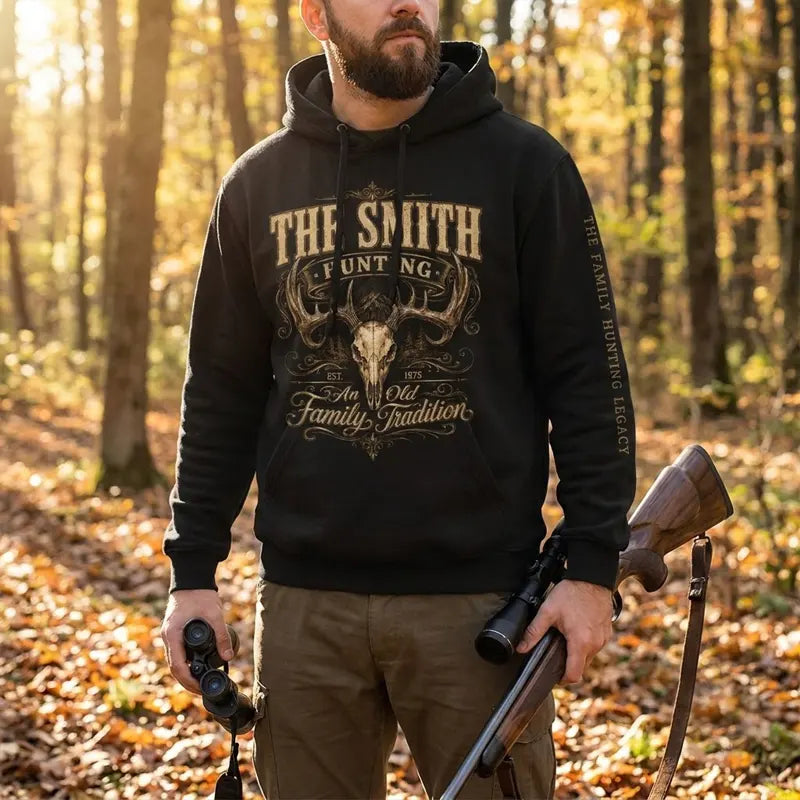
Deer Hunting Tips: How to Hunt Deer for Beginners (Strategies That Work)
If you're learning how to hunt deer for the first time, the amount of information out there can feel overwhelming. Every hunter has their own method, every forum has conflicting advice, and every YouTube video makes it look easy. It's not - at least not right away. But with the right foundation, you can shorten that learning curve dramatically.
This guide covers practical deer hunting advice that actually works in the field. We're talking about everything from choosing your first hunting area to picking the right gear, reading sign, and standing in a tree stand without losing your mind from boredom. If you're looking for genuine hunting for deer tips from people who've spent years in the woods, you're in the right place.
Whether you're headed out with a bow, rifle, or muzzleloader, the fundamentals of deer hunting strategies remain the same: understand the animal, position yourself correctly, control your scent, and be patient. Let's break it all down.

How to Start Hunting Deer - Before You Ever Step Into the Woods
The best deer hunting advice any beginner can receive is this: preparation happens long before opening day. The hunters who consistently fill their tags didn't get lucky - they got ready.
Get Educated (Hunter Safety Course, Regulations)
Before anything else, take a hunter safety course. In most states and provinces, it's legally required if you were born after a certain year. But even where it isn't mandatory, it's the single best investment you can make in your hunting career.
These courses cover firearm safety, wildlife identification, survival basics, and ethics. They also teach you the regulations specific to your area - bag limits, legal hunting hours, permitted weapons, and zone boundaries. Ignorance of the law is never an acceptable excuse in the field.
After your safety course, study your region's hunting regulations thoroughly. Know the exact dates for archery, muzzleloader, and firearm seasons. Understand tagging requirements, reporting deadlines, and any special rules for antlerless harvest. Your state or provincial wildlife agency website has all of this information for free.
Scout Your Hunting Area
Scouting is the difference between sitting blindly and sitting purposefully. Before season opens, spend time on foot walking the property you plan to hunt. Look for:
- Deer trails - well-worn paths through brush and between fields
- Food sources - agricultural fields, acorn-producing oak stands, clover plots, fruit trees
- Water sources - creeks, ponds, seeps, especially in dry regions
- Bedding areas - thick cover, south-facing slopes in cold weather, elevated ground
- Pinch points - narrow funnels between swamps, ridgelines, or fence crossings where deer movement concentrates
Use topographic maps and satellite imagery (apps like OnX Hunt, HuntStand, or Google Earth) to identify potential areas before you hike in. Then confirm on the ground. Your boots-on-the-ground scouting is what separates serious hunters from casual ones.

Learn Deer Behavior (Bedding Areas, Food Sources, Trails)
Understanding how to hunt deer starts with understanding deer themselves. White-tailed deer are creatures of habit with predictable daily patterns - until you spook them.
During daylight hours, deer typically bed in thick cover near food sources. At dawn and dusk, they move along established trails to feed. Wind direction dictates their route - they almost always approach food sources with the wind in their face and their back to cover, giving them maximum ability to smell danger and escape.
Learn the prevailing wind patterns on your hunting property and plan your approach and stand placement accordingly. If you walk into your tree stand with the wind blowing toward where deer will be coming from, you've already lost before you sit down. This is one of the most fundamental hunting for deer tips that beginners consistently overlook.
Essential Deer Hunting Strategies
Once you understand the deer, it's time to choose your approach. Here are the most effective deer hunting strategies for beginners and experienced hunters alike.
Tree Stand Hunting - Setup, Placement, and Scent Control
Tree stand hunting is the most popular method for a reason: elevation gives you a better shooting lane, puts you above the deer's typical line of sight, and helps disperse your scent.
Placement matters more than height. A stand at 12 feet positioned on an active trail is infinitely better than a stand at 25 feet where no deer travel. Place your stand 15–30 yards downwind of the trail or food source, with shooting lanes cleared for your weapon type (wider lanes for archery, narrower for firearms).
Install your stand well before the season - at least a few weeks if possible - so deer get accustomed to its presence and any disturbance you caused during installation. When approaching your stand on hunting morning, take a route that avoids the areas you expect deer to use. Walk around the back, not through the front door.
Your clothing plays a critical role in tree stand success. Camouflage patterns that match your specific terrain help break up your outline, while scent-free practices keep you undetected. Check out our guide on choosing the right hunting camo - and if you hunt more than one type of terrain, our terrain-by-terrain camo guide breaks down exactly which pattern to wear where. Browse our hunting shirts collection for gear that looks as good as it performs in the field.

Ground Blind Hunting - When and Where It Works
Ground blinds are excellent for hunters who can't climb into a tree stand, for hunting over food plots, and for situations where mature bucks are moving at ground level through thick cover where tree placement is impossible.
Set up your ground blind along active trails, preferably near a food source. Like tree stands, place it well before season opens so deer accept it as part of the landscape. Brush in the outside of your blind with natural vegetation from the immediate area - don't bring branches from somewhere else and introduce foreign scents.
The key disadvantage: you're at the deer's eye level, so movement is much more visible. Every adjustment of your weapon, every shift in position, every breath in cold air needs to be minimized. Practice stillness before you ever sit in a blind.
Still Hunting - The Art of Moving Slowly
Still hunting isn't about standing still - it's about moving so slowly and deliberately that you become nearly invisible to the deer around you. Take one or two steps every few minutes. Pause frequently to scan and listen. Spend 20 minutes observing for every 5 minutes of movement.
This method works best in familiar terrain where you can read the ground and anticipate deer behavior. It's especially effective during the midday hours when deer are less active and more likely to be bedded rather than cruising.
For still hunting, your clothing needs to allow quiet movement. Avoid loud, stiff fabrics that crinkle with every step. Our deer-themed hunting apparel is designed for hunters who value both function and comfort during long days in the woods.
Spot and Stalk - Advanced Strategy for Patient Hunters
Spot-and-stalk hunting involves glassing open areas from a vantage point, identifying a target deer, and carefully closing the distance for a shot. It's the most physically demanding and skill-intensive method, but also one of the most rewarding.
Success requires excellent optics (binoculars at minimum, a spotting scope is even better), the ability to use terrain for concealment, and the patience to abort a stalk if the deer is likely to detect you. Most stalks fail because the hunter moves too fast, misjudges the deer's field of vision, or steps on a noisy branch at the worst possible moment.
This strategy works best in open country - western mule deer terrain, harvested agricultural fields, or clear-cut areas where visibility is high. It's less effective in thick eastern hardwoods where your ability to see a deer at any distance is limited.
Adjusting Your Strategy by Season
The tactics above stay the same throughout the year, but what actually works shifts a lot from opening day to the final weeks of the season. Beginners who only learn one season's approach often get confused when the same spot stops producing in November.
- Early season: Deer are still on summer patterns - predictable movement between bedding and food, often still in daylight. Focus on food sources and don't over-hunt a spot; deer haven't been pressured yet and are easier to pattern.
- The rut (typically peak in November for most of the whitetail range): Buck movement becomes far less predictable as they range widely searching for does. This is when calling, rattling, and decoys are most effective, and when all-day sits near doe bedding areas can pay off.
- Late season: Deer are recovering calories after the rut and pressured by weeks of hunting activity. Shift back to food - especially high-carb sources in cold climates - and hunt the thickest, least-disturbed cover you can find. Deer are at their wariest here, so scent control and quiet movement matter more than ever.

Deer Hunting Advice: Gear That Matters
You don't need expensive gear to hunt deer successfully. But certain items make a genuine difference in your odds, comfort, and safety. If you're building your kit on a budget, our guide to cheap camo that actually works breaks down exactly where you can save and where you shouldn't.
Weapons - Bow vs. Rifle vs. Muzzleloader
Your weapon choice determines your effective range, your hunting strategy, and often your season dates. Here's a practical breakdown:
- Compound bow: Effective range 20–30 yards for most hunters. Requires close positioning to deer, making stealth and scent control critical. Archery seasons are typically longer and have less hunting pressure.
- Rifle: Effective range varies by caliber and skill, but 100–300 yards is typical. Firearm seasons are shorter but have higher success rates due to longer effective range.
- Muzzleloader: Effective range 50–150 yards. Muzzleloader seasons fall between archery and firearm, offering a good balance of opportunity and challenge. Many states allow modern inline muzzleloaders that perform close to rifles.
Choose based on your skill level, local regulations, and personal preference. There's no wrong answer - just different experiences.
Clothing - Camouflage, Blaze Orange, and Scent-Free Basics
What you wear on a deer hunt affects everything: your ability to stay undetected, your comfort level during long sits, and your safety in the field. The right clothing system should address three priorities in this order:
- Warmth and comfort - If you're miserable, you won't stay out long enough to see deer.
- Scent control - Deer have an extraordinary sense of smell. Scent-free clothing and proper field hygiene matter enormously.
- Camouflage - Breaking up your human outline helps, especially for bowhunters who need to get close.
During firearm seasons, blaze orange is legally required in most jurisdictions. Many hunters layer their camo underneath and add the required orange on top. If you're starting your wardrobe from scratch, our hunting apparel buying guide walks through every layer piece by piece. For a detailed breakdown, read our guide to deer hunting shirts and seasonal deer hunting outfit recommendations.

| Layer | Purpose | Example |
|---|---|---|
| Base layer | Moisture wicking, scent control | Merino wool or synthetic thermal |
| Mid layer | Insulation | Fleece or lightweight down |
| Outer layer | Camo, weather protection, blaze orange | Camo jacket + orange vest/hoodie |
| Accessories | Extremity warmth | Insulated gloves, warm socks, face mask |
Accessories - Rangefinders, Calls, Grunts, and Decoys
These aren't mandatory, but they can meaningfully improve your results:
- Rangefinder: Essential for bowhunters. Knowing exact distance before you draw prevents bad shot placement. A basic laser rangefinder costs under $100 and pays for itself with one well-placed shot.
- Deer calls: Grunt calls, bleat calls, and rattling antlers can attract deer within range. Use them sparingly - over-calling is a common beginner mistake that spooks more deer than it attracts.
- Decoys: Can be effective during the rut when bucks are actively searching for does. Position them downwind of your stand with the decoy facing your stand so an approaching buck presents a broadside shot.
Scent Control - The Most Overlooked Factor
Deer have an estimated 300 million scent receptors in their noses - humans have about 6 million. This isn't even close. If a deer smells you before it sees you, your hunt is over.
Basic scent control practices every hunter should follow:
- Store hunting clothes in a sealed plastic bin, never in your closet or laundry room
- Wash hunting clothes with scent-free detergent - no fabric softener, no dryer sheets
- Shower with scent-free soap before heading to the stand
- Avoid eating strong-smelling foods (coffee, bacon, anything with heavy spices) before or during your hunt
- Use a scent eliminator spray on your clothes and gear before entering the stand
- Play the wind - always approach your stand with wind blowing from the deer's expected location toward you
No scent control system makes you completely undetectable. But consistent hygiene dramatically reduces your scent footprint and gives you a fighting chance.
Hunting for Deer Tips - Reading Sign
Knowing how to hunt deer means knowing how to read the signs they leave behind. Deer communicate through physical markers on the landscape, and learning to interpret these signs tells you where they are, where they've been, and where they're going.
Tracking Deer Signs (Tracks, Rubs, Scrapes, Droppings)
Every piece of sign tells a story. Here's what to look for:
- Tracks: Fresh tracks have sharp edges and may show moisture in the soil. Older tracks have rounded edges and may have collected debris. Track direction tells you movement patterns; track size can help distinguish bucks from does.
- Rubs: Bucks rub their antlers on small trees and saplings to mark territory and remove velvet. Rubs on trees 1–2 inches in diameter suggest a mature buck. A concentration of rubs along a trail indicates a primary travel corridor.
- Scrapes: Bucks paw away leaves and vegetation to expose bare earth, then urinate on the scrape. Scrapes are most active during and just before the rut. Scrapes near field edges or food sources are typically visited at dusk or after dark.
- Droppings: Pellet shape and moisture content tell you how recently deer were in the area. Fresh droppings are dark, moist, and slightly malleable. Older ones are dry, cracked, and lighter in color. Clumped droppings (rather than individual pellets) can indicate stress or dietary changes.
Trail Camera Strategy
Trail cameras are invaluable for scouting, but many hunters misuse them. Here's how to get the most from your camera strategy:
- Place cameras on active trails, preferably near food sources or scrapes
- Mount cameras 2–3 feet high, angled slightly downward
- Face cameras north or south to avoid sun glare triggering false shots
- Check cameras every 10–14 days - more frequent visits increase human scent in the area
- Use the photos to identify patterns: what time do bucks appear? Which direction are they traveling? Are there dominant individuals?
- Don't become dependent on cameras. They show you what happened in the past, not what will happen today
Identifying Buck vs. Doe Activity
Understanding whether you're looking at buck or doe sign helps you predict behavior. Does tend to travel in groups and follow more predictable feeding patterns. Bucks - especially mature ones - are more solitary and less predictable, particularly outside the rut.
During pre-rut and rut, buck sign increases dramatically. Rubs get larger and more frequent, scrapes multiply, and you may start seeing "scrape lines" - a series of scrapes along a trail that a dominant buck checks regularly. This is prime time for buck hunting.

Tips for First Time Deer Hunters
If you're heading out for your first deer hunt, these tips for first time deer hunters will save you frustration, keep you safe, and genuinely improve your chances.
Managing Expectations - You Might Not Bag a Buck Day One
Let's be honest: your first deer hunt might end without a shot opportunity. That's normal. That's fine. Some of the best hunters in the world went seasons without filling a tag when they were starting out.
Think of your first few hunts as field education. Every hour in the stand teaches you something - about deer movement, about your property, about what works and what doesn't. The hunters who succeed long-term are the ones who treat every hunt as a learning opportunity, not just a harvest attempt.
Set process goals instead of outcome goals. "I will stay in my stand until legal shooting light ends" is a process goal. "I will kill a deer" is an outcome goal. Focus on the process and the results will follow over time.
Patience and Comfort - Why Your Outfit Matters
Here's a truth that separates successful hunters from frustrated ones: comfort directly correlates with hunt duration, and hunt duration directly correlates with deer sightings.
If you're cold, you'll cut your hunt short. If you're sitting on hard plastic, you'll shift constantly. If your clothes are loud, you'll be self-conscious about every movement. Invest in comfort - insulated seating pads, quality layers, quiet fabrics. Your future self (and your hunting partner) will thank you.

Common Beginner Mistakes to Avoid
Learn from other people's mistakes so you don't have to make them yourself:
- Overpacking your stand. Bring only what you need. Excess gear increases movement, noise, and scent.
- Moving too much. Deer detect movement far more readily than shape or color. Sit still.
- Ignoring wind direction. This is the number one reason beginners don't see deer. Always check wind before and during your hunt.
- Calling too aggressively. Less is more. Two or three soft grunts spaced a few minutes apart is more effective than non-stop calling.
- Shooting at inadequate ranges. Know your effective range with your weapon and don't exceed it. Ethical hunting means clean, quick harvests.
- Skipping the safety harness. If you're in a tree stand, wear a full-body safety harness. Period. No exceptions. Falls from tree stands cause more hunting injuries and fatalities than firearm accidents.
- Not practicing before the season. Shoot your bow or rifle regularly before opening day. Familiarity with your weapon under hunting conditions is non-negotiable.
FAQ: How to Hunt Deer
What is the easiest way for a beginner to hunt deer?
The easiest way for a beginner to hunt deer is tree stand hunting over an active trail near a food source. It requires minimal movement, puts you at an advantage in terms of visibility, and doesn't demand advanced stalking skills. Set up your stand 2–3 weeks before season, approach it quietly with the wind in your favor, and sit still during dawn and dusk hours. Combine this with basic scent control and you'll see deer.
What gear do I need to start deer hunting?
The essential gear list for a first-time deer hunter includes: your weapon of choice (bow, rifle, or muzzleloader) with appropriate ammunition, camouflage or blaze orange clothing (depending on season requirements), a tree stand or ground blind, binoculars, a flashlight or headlamp, and a safety harness if using a tree stand. Optional but recommended: rangefinder, deer calls, scent eliminator, and a quality hunting knife. For more gear ideas, browse our deer hunting collection.
How do I attract deer to my hunting spot?
The most effective ways to attract deer include: hunting near natural food sources (oak groves, agricultural fields, food plots), using deer calls (grunt calls and rattling antlers are most versatile), setting up near scrape lines during the rut, and using doe decoys to attract curious bucks. Avoid over-reliance on any single method - deer are unpredictable, and diversifying your approach increases your odds.
What time of day should I start hunting deer?
Deer are most active during dawn and dusk. For morning hunts, be in your stand at least 30 minutes before first light. For evening hunts, plan to stay until at least 30 minutes after sunset. Midday hunts can also produce results during the rut when bucks are actively moving and searching for does, but dawn and dusk remain the most productive windows for beginners.
How close can I get to a deer?
This depends entirely on your hunting method and the individual deer's wariness level. For rifle hunting, effective ranges are typically 100–300 yards, so you don't need to get particularly close. For bowhunting, most successful shots happen at 20–30 yards or less. Deer can be approached within bow range using still-hunting or stalking techniques, but this requires exceptional patience, favorable wind conditions, and careful movement. In a tree stand, deer often pass within 15–40 yards of your position if you've chosen your location well and controlled your scent.
Dress for Success - What to Wear on Your First Deer Hunt
Your clothing system can make or break your first hunt. Here's a practical approach that balances warmth, concealment, and mobility.
Start with your base layer. Choose moisture-wicking materials - merino wool or synthetic fabrics work best. Cotton is your enemy because it holds moisture and makes you cold. Your base layer should fit snugly without restricting movement.
Add insulation. A fleece or lightweight down mid-layer traps heat. In colder climates, you may want two mid-layers - a lighter one you can remove if temperatures rise during the day.
Top it with camouflage and blaze orange. Your outer layer should match your terrain and meet your local blaze orange requirements. Many hunters wear full camo underneath and add an orange vest, hat, or hoodie on top during firearm season.

Don't forget your extremities. Cold hands and feet will force you off stand faster than anything else. Invest in quality insulated gloves (preferably ones that allow trigger or bow release operation), thick wool socks, and a warm hat or balaclava that still allows you to see through your rifle scope or bow sight.
For a complete look at seasonal outfit options, check our deer hunting outfits seasonal guide for recommendations tailored to weather conditions across fall and winter.
The difference between a successful deer hunter and a frustrated one usually isn't gear - it's preparation, patience, and persistence. Show up, stay quiet, play the wind, and give the deer time to show themselves. Everything else is details.
Ready to gear up? Explore our full hunting shirts collection at Fathom Thread and find pieces that represent your passion for the hunt - from the trail to the trophy wall.